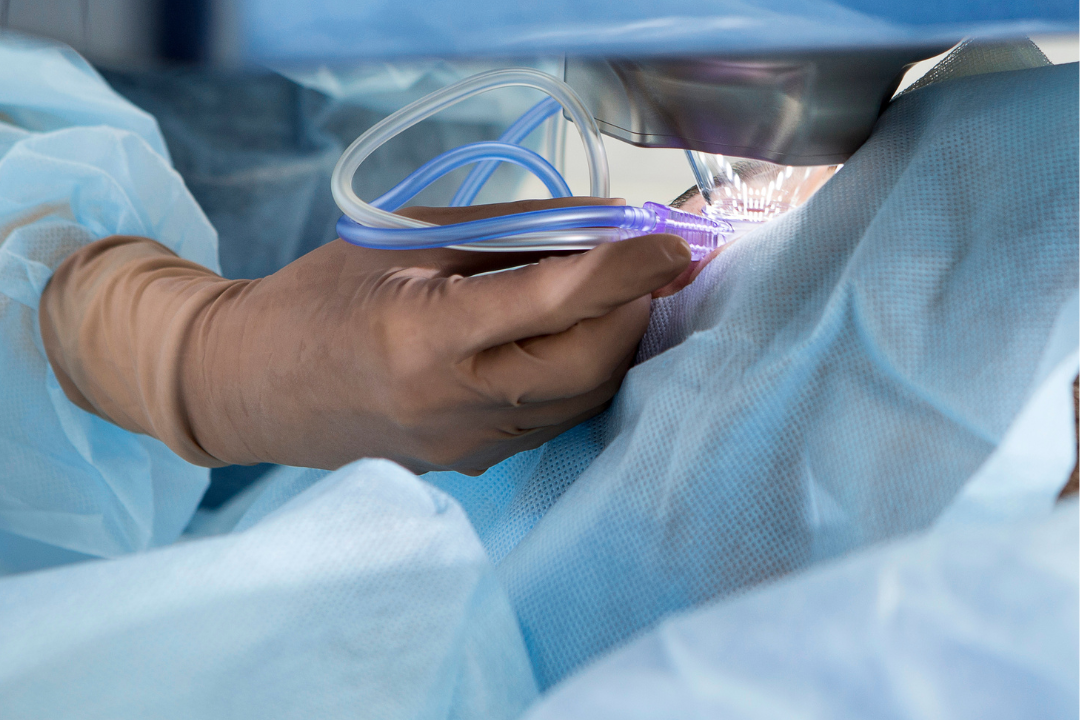
If you’ve ever found yourself reaching for glasses first thing in the morning or worrying about contact lenses during travel, sport, or even a quiet day at home, you’re not alone. Many people explore LASIK eye surgery because they want clearer vision and greater freedom in daily life. Still, it’s completely normal to feel unsure about what LASIK really involves, how it works, and whether it’s right for you.
This guide is written to give you a calm, clear, and honest understanding of LASIK eye surgery—without jargon, hype, or pressure. Think of it as a conversation with an experienced eye care professional who wants you to feel informed and comfortable before making any decisions.
What Is LASIK Eye Surgery?
LASIK eye surgery is a type of laser eye surgery designed to correct common vision problems so that glasses or contact lenses are no longer needed, or are needed much less often. The word “LASIK” stands for Laser-Assisted In Situ Keratomileusis, but the name itself matters far less than what the procedure does.
At its core, LASIK reshapes the cornea—the clear, curved surface at the front of the eye. The cornea plays a major role in how light enters the eye and focuses onto the retina. When the cornea’s shape isn’t quite right, vision becomes blurry. LASIK gently adjusts that shape so light can focus more accurately, resulting in clearer vision.
LASIK eye surgery is most commonly used to correct:
- Nearsightedness (myopia)
- Farsightedness (hyperopia)
- Astigmatism
For many people, the goal isn’t “perfect” vision but reliable, everyday clarity without relying on corrective lenses.
How Vision Problems Develop in the First Place
To understand how LASIK works, it helps to know why vision becomes blurry. In a healthy eye, light enters through the cornea, passes through the lens, and focuses precisely on the retina. The retina then sends clear images to the brain.
When the cornea is too steep, too flat, or uneven, light doesn’t land where it should. This creates distortion, making objects appear blurry, stretched, or unfocused. Glasses and contact lenses correct this by bending light before it enters the eye. LASIK takes a different approach by adjusting the eye itself.
How LASIK Eye Surgery Works (Step by Step)
One reason LASIK eye surgery has become so widely known is that the procedure itself is surprisingly quick and carefully controlled. While every clinic may vary slightly, the overall process follows the same principles.
Step 1: Detailed Eye Assessment
Before any surgery is considered, your eyes are thoroughly examined. Measurements are taken to assess corneal thickness, shape, pupil size, and overall eye health. This step is essential—it helps determine whether LASIK is appropriate and allows the treatment to be customised to your eyes.
Step 2: Preparing the Eye
On the day of surgery, numbing eye drops are used to keep you comfortable. You remain awake, but most people feel little more than mild pressure. A small device gently keeps the eye open so you don’t need to worry about blinking.
Step 3: Creating a Thin Corneal Flap
A precise laser creates a very thin flap on the surface of the cornea. This flap is carefully lifted to expose the underlying tissue. The process is quick and controlled, guided by detailed computer mapping of your eye.
Step 4: Reshaping the Cornea
Another laser then reshapes the corneal tissue beneath the flap. This part of the procedure usually takes less than a minute per eye. The laser removes microscopic amounts of tissue to adjust how light focuses inside the eye.
Step 5: Repositioning the Flap
Once reshaping is complete, the corneal flap is gently placed back into position. It naturally adheres without stitches and begins healing almost immediately.
The entire LASIK eye surgery process typically takes about 10–15 minutes for both eyes.
What LASIK Eye Surgery Feels Like
Many people are surprised by how straightforward the experience feels. You may notice pressure or a sensation of movement, but pain is uncommon. Vision is often blurry immediately afterward, and eyes may feel watery or gritty for a short time. These sensations usually improve within hours.

Who Is LASIK Eye Surgery Suitable For?
LASIK eye surgery works best for people whose vision and eye health are stable. While eligibility can only be confirmed through a professional assessment, there are some general guidelines.
You may be a suitable candidate if:
- You are over 18 years old
- Your prescription has been stable for at least 12 months
- You have healthy eyes with no active disease
- Your corneas are thick enough for safe reshaping
- You have realistic expectations about results
LASIK can be especially appealing for people with active lifestyles, busy schedules, or jobs where glasses and contacts are inconvenient.
Who May Not Be a Good Candidate for LASIK?
LASIK eye surgery is not the right choice for everyone, and that’s perfectly okay. In some cases, other vision correction options may be more appropriate.
LASIK may not be recommended if you:
- Have very thin or irregular corneas
- Experience severe dry eye symptoms
- Have certain eye conditions affecting healing
- Are pregnant or nursing (temporary vision changes can occur)
- Have unstable vision prescriptions
An honest consultation is key. A reputable clinic will prioritise safety and guide you toward the option that best suits your eyes.
Benefits of LASIK Eye Surgery
For many people, the benefits of LASIK go beyond clearer vision.
Greater Daily Freedom
Being able to wake up and see clearly without reaching for glasses can feel life-changing. Simple activities like swimming, exercising, or travelling often become easier.
Fast Results
Vision improvement often begins within a day. While healing continues over time, many people notice a significant difference very quickly.
Long-Lasting Correction
Once vision stabilises, the results of LASIK eye surgery are generally long-lasting. Age-related vision changes may still occur later in life, but the correction itself remains.
Limitations and Things to Keep in Mind
While LASIK eye surgery has helped millions, it’s important to understand its limitations.
- It doesn’t prevent natural ageing of the eyes
- Some people may still need reading glasses later in life
- Not every prescription can be fully corrected
- Results can vary slightly from person to person
Having realistic expectations helps ensure satisfaction with the outcome.
Safety and Success Rates
LASIK eye surgery has been performed for decades and continues to benefit from advances in technology. When performed on suitable candidates, it has a strong safety record and high patient satisfaction.
Modern lasers are extremely precise, and thorough pre-surgery assessments help reduce risk. As with any medical procedure, complications are possible, but serious issues are uncommon when proper screening and care are in place.
What Recovery Looks Like
Recovery from LASIK eye surgery is usually straightforward.
First 24 Hours
- Vision may be blurry or hazy
- Eyes may feel dry or sensitive to light
- Rest is encouraged
First Week
- Vision continues to sharpen
- Eye drops help support healing
- Most people return to normal routines quickly
Long-Term Healing
- Vision stabilises over weeks to months
- Follow-up visits ensure healing is on track
Your eye care provider will give clear instructions to support a smooth recovery.
FAQs About LASIK Eye Surgery
How long does LASIK eye surgery actually take?
The laser portion of LASIK eye surgery usually takes less than a minute per eye, with the full procedure lasting around 10 to 15 minutes. Most of the time spent at the clinic involves preparation and post-procedure checks rather than the laser treatment itself.
Will my vision be perfect immediately after LASIK?
Some people notice clearer vision within hours, while others experience gradual improvement over several days. Mild blurriness or fluctuations are normal early on. Vision typically stabilises as the eyes heal, which can take several weeks depending on individual healing patterns.
Can LASIK eye surgery correct all vision problems?
LASIK is designed to correct common refractive errors, such as nearsightedness, farsightedness, and astigmatism. It does not address every eye condition or prevent age-related vision changes. A detailed eye assessment helps determine what LASIK can realistically achieve for your eyes.
Is LASIK suitable for people with dry eyes?
Mild dry eye symptoms don’t automatically rule out LASIK eye surgery, but they do require careful evaluation. Your eye care professional may recommend treating dryness before surgery or suggest alternative vision correction options if dryness could affect comfort or healing.
How long do the results of LASIK usually last?
The corneal changes made during LASIK eye surgery are permanent. However, natural changes in vision can still occur over time due to ageing. Many people enjoy stable, clear vision for years, with some needing minor vision correction later in life.