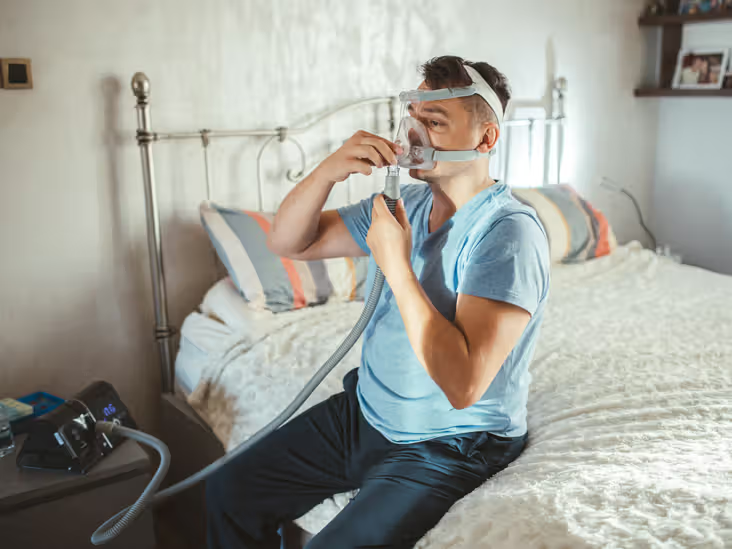
This guide breaks down typical cost ranges, what affects pricing, and what they should ask before booking.
What does a sleep study typically cost in Australia?
When considering sleep study cost Australia, most people will see prices fall into two broad bands: home-based studies and in-lab studies. Home sleep tests are usually cheaper, while in-lab studies cost more because they involve overnight monitoring in a clinic with more sensors and staff support.
As a rough guide, home studies often land in the hundreds of dollars, while in-lab studies more commonly reach into the low thousands, depending on inclusions.
How much do home sleep tests usually cost?
Home sleep tests are often the most affordable option because they use portable equipment and are done in their own bed. Many providers price them as a package that may include device hire, scoring, and a short results consult.
Typical pricing varies by provider, location, and whether a follow-up appointment is included. They should confirm if the quoted price covers interpretation by a qualified sleep physician or if that is billed separately.
How much do in-lab (overnight) sleep studies usually cost?
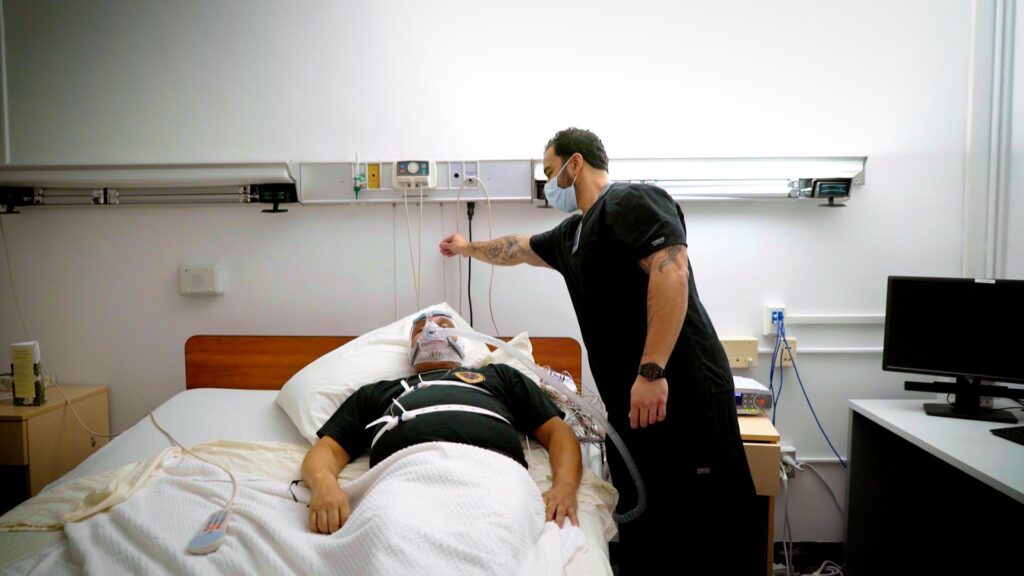
In-lab studies generally cost more because they measure more signals and are supervised overnight. They are commonly used when symptoms are complex, when previous testing was inconclusive, or when clinicians need detailed data.
Costs can increase if the study requires extra monitoring channels, a split-night protocol, or additional daytime testing. They should also check whether the fee includes the report and follow-up consultation.
What factors most influence the final price they pay?
The largest drivers are the study type, the provider’s pricing model, and what is included in the package. Some clinics advertise a low headline figure but add separate charges for analysis, specialist review, or follow-up.
Location can also matter. Metro clinics may price differently to regional services, and availability can influence whether they choose a private provider rather than waiting for a public pathway.
Does Medicare cover sleep studies in Australia?
Medicare can reduce out-of-pocket costs in some cases, but coverage depends on eligibility, referral pathways, and the specific item numbers used. In practice, they may still face a gap payment even when Medicare contributes.
They should ask the provider whether Medicare applies to the test itself, the specialist consultation, or both. It is also worth confirming whether the quoted “gap” is an estimate or a fixed amount.
Can private health insurance reduce sleep study costs?
Private health insurance may help, particularly for in-hospital or in-lab studies, but it depends on their level of cover and waiting periods. Some policies cover hospital accommodation and certain investigation fees, while others exclude sleep studies or limit benefits.
They should contact their insurer with the provider’s item numbers and ask what will be paid, what is excluded, and what their likely out-of-pocket amount will be.
Are public hospital sleep studies cheaper, and what are the trade-offs?
Public pathways can be cheaper, and sometimes significantly so, but they often involve longer waiting times and stricter eligibility criteria. For someone with safety-critical symptoms, that delay can be the main downside.
They should also expect fewer choices in appointment timing and location. If they need faster answers for driving safety, work requirements, or urgent treatment decisions, private testing may be the quicker route.
What is included in the price, and what is often billed separately?
Some providers bundle everything, while others bill in parts. Common inclusions are device hire (for home tests), overnight monitoring (for lab tests), scoring, and a written report.
Common separate charges include the initial specialist consult, a follow-up appointment to discuss results, CPAP trials, mask fitting, and additional testing if the first study is inconclusive. They should request an itemised quote before booking.
Do they need a GP referral, and can that change the cost?
A GP referral is often required if they want to pursue Medicare rebates or see a sleep physician through standard channels. Even when a referral is not mandatory for a home test, having one can help align the test choice with clinical needs.
Without the right referral pathway, they may pay the full private rate and still need additional appointments later. They should ask the provider what paperwork is needed to avoid paying twice for similar steps. See home sleep apnea test Australia pros, cons, and cost overview.
How do follow-up costs (like CPAP) affect the real total?
The study is only one part of the overall cost of diagnosing and treating sleep apnoea or other sleep disorders. If they are diagnosed with obstructive sleep apnoea, they may face CPAP-related expenses such as equipment purchase or rental, masks, consumables, and review appointments.
Some clinics offer CPAP trials included in a package, while others charge separately. They should compare the total pathway cost, not just the test price.
What questions should they ask before booking a sleep study?
They can avoid surprise bills by asking direct, practical questions upfront. A short checklist usually reveals whether the advertised price is genuinely “all-in.”
They should ask:
- What is the total out-of-pocket cost, itemised?
- Is specialist interpretation included, and who signs the report?
- Are Medicare rebates or insurer benefits available for their situation?
- Is a follow-up appointment included, and what does it cost if not?
- What happens if the test is inconclusive or fails due to signal loss?
- How quickly will they receive results and start treatment if needed?
How can they reduce costs without choosing the wrong test?
They can often save money by matching the test to the clinical question. If symptoms strongly suggest uncomplicated obstructive sleep apnoea, a home test may be appropriate and cheaper.
If symptoms are complex, they may spend less overall by doing the correct in-lab study first rather than repeating cheaper tests. The best cost-control move is getting a clear recommendation from a GP or sleep physician and then requesting transparent quotes from providers.
What is the simplest way to estimate their personal cost?
They should start by identifying the likely study type, then confirm rebates and inclusions. A quick estimate usually comes from three steps: obtain a referral (if needed), ask the provider for item numbers and an itemised quote, and confirm benefits with Medicare or their insurer.
If they do that before booking, they can compare providers on the true out-of-pocket cost and the speed of results, not just the headline price.
FAQs (Frequently Asked Questions)
What is the typical cost range for sleep studies in Australia?
Sleep studies in Australia generally fall into two price bands: home-based tests, which usually cost in the hundreds of dollars, and in-lab overnight studies, which can reach into the low thousands. The final price depends on the type of study, inclusions, and whether Medicare or private insurance applies.
How much do home sleep tests usually cost and what do they include?
Home sleep tests are typically more affordable, often priced as a package including device hire, scoring, and a brief results consultation. Costs vary by provider and location. It’s important to confirm if specialist interpretation by a qualified sleep physician is included or billed separately.
What factors influence the final price of a sleep study in Australia?
Key factors affecting cost include the type of study (home vs. in-lab), provider pricing models, included services (like specialist report and follow-up consultations), geographic location, and whether Medicare or private health insurance rebates apply. Some clinics may add separate charges for analysis or follow-up appointments.
Does Medicare or private health insurance cover sleep study costs?
Medicare can reduce out-of-pocket expenses depending on eligibility, referral pathways, and item numbers used; however, patients may still face gap payments. Private health insurance might help especially for in-hospital or in-lab studies but coverage varies by policy level, waiting periods, and exclusions. It’s advisable to check with providers and insurers about applicable rebates and benefits.
Are public hospital sleep studies cheaper than private ones?
Public hospital sleep studies can be significantly cheaper but often involve longer waiting times and stricter eligibility criteria. Patients should weigh these trade-offs against their urgency for diagnosis—private testing offers faster results and more appointment flexibility but at higher costs.
What questions should I ask before booking a sleep study to avoid unexpected costs?
Before booking, ask for an itemised total out-of-pocket cost including specialist interpretation; confirm if Medicare rebates or insurer benefits apply; inquire about follow-up appointment costs; clarify procedures if the test is inconclusive; and understand how quickly results will be available to start treatment if needed. This helps ensure transparency and avoids surprise bills.