What is a sleep apnea test at home in Australia?
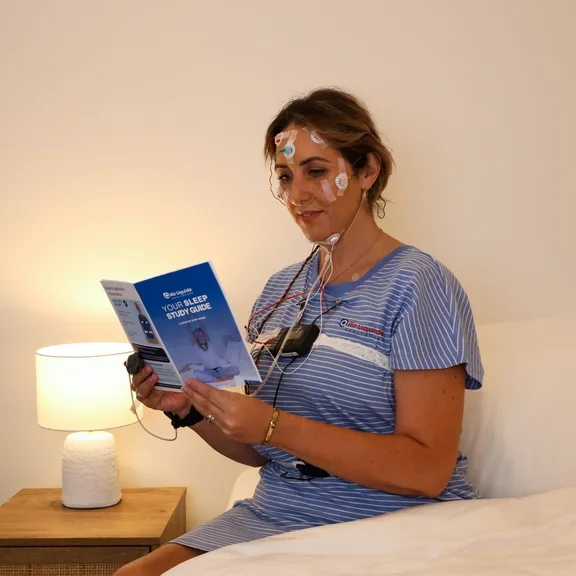
A home sleep apnea test (HSAT) is a portable study used mainly to assess obstructive sleep apnea. It typically measures airflow, breathing effort, oxygen levels, and heart rate while they sleep at home.
A sleep apnea test at home Australia differs from a full laboratory polysomnography because HSAT generally does not record brain waves, so it cannot reliably confirm sleep stages or diagnose many non-OSA sleep disorders. It is most often used when their symptoms strongly suggest moderate to severe OSA.
Who is a good candidate for a home sleep apnea test?
They are usually a good candidate if they have classic OSA symptoms, such as loud snoring, witnessed breathing pauses, morning headaches, and daytime sleepiness. A clinician will often consider HSAT when the likelihood of OSA is high and there are no major complicating medical factors.
HSAT may be less suitable if they have significant heart or lung disease, suspected central sleep apnea, neuromuscular conditions, or complex insomnia. In those cases, an in-lab study is often recommended because it captures more data.
What are the pros of doing a sleep apnea test at home?
The main advantage is convenience. They can sleep in their own bed, avoid a hospital or lab environment, and often schedule testing sooner.
Cost can also be lower than a lab study, especially if they are paying privately. Many providers also offer simple logistics, such as device delivery, app-based instructions, and quick report turnaround, which can speed up the pathway to treatment.
What are the cons and risks of a home sleep apnea test?
The biggest limitation is reduced diagnostic scope. HSAT is designed primarily for OSA, so it can miss or under-detect conditions that a lab study might identify, including some movement disorders, parasomnias, or central breathing problems.
There is also a risk of inconclusive data. If sensors fall off or the recording is poor, they may need to repeat the test or move to an in-lab study, which adds time and cost. Finally, HSAT can underestimate severity because it often uses recording time rather than true sleep time.
How accurate is a home sleep apnea test compared with a sleep lab?
For people with a high likelihood of moderate to severe OSA, HSAT can be reasonably reliable when the study is set up correctly and interpreted by a qualified clinician. It is generally less reliable for mild OSA or for complicated cases.
If their symptoms are strong but HSAT is negative, clinicians often recommend follow-up testing, sometimes in a lab. A “normal” home result does not always mean there is no sleep disorder.
What does a home sleep apnea test typically include?
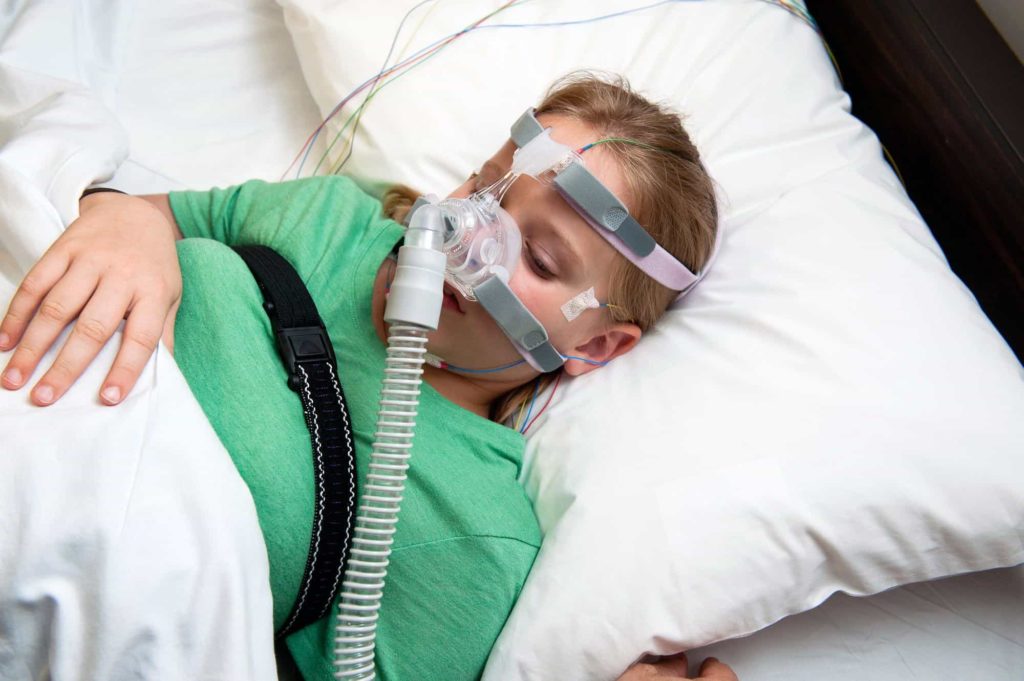
Most HSAT kits include a nasal cannula for airflow, a finger probe for oxygen saturation, and chest or abdominal bands for breathing effort. Some systems add position sensors or snore microphones.
They usually receive a report with indices such as AHI or REI, oxygen desaturation information, and clinical interpretation. If OSA is confirmed, the report may guide next steps like CPAP, mandibular advancement therapy, weight management support, or specialist referral.
How much does a home sleep apnea test cost in Australia?
Costs vary by provider, inclusions, and whether they are using telehealth or in-person support. Many Australians see pricing that falls roughly in the low hundreds for a basic home test, while more comprehensive services can be higher.
They should check what the fee actually covers, including clinician review, a formal report, follow-up consultation, and whether repeat testing is included if the first study fails. The cheapest option is not always the best value if there is no clinical support.
Are there Medicare rebates or private health cover options?
In some situations, Medicare rebates may apply for sleep studies, but eligibility and item use depend on the clinical pathway and provider setup. Private health insurance may also contribute, especially when testing is arranged through certain services or when linked to broader care.
They should confirm rebates before booking, not after. The most practical approach is for them to ask the clinic for the relevant item numbers and a written quote, then check directly with Medicare and their insurer. See sleep study cost breakdown in Australia and Medicare rebate guide.
What hidden costs should they watch for?
Hidden costs often come from add-ons, such as extra consult fees, report fees, postage, device bond charges, or repeat-study charges. Some services price the device cheaply but charge more for interpretation or follow-up.
Treatment costs also matter. If they are diagnosed, expenses can include CPAP trials, mask fittings, ongoing supplies, and follow-up appointments. A clear quote should separate testing costs from therapy costs so they can budget properly.
How should they choose a provider for a home sleep apnea test?
They should prioritise clinical oversight and clear escalation pathways. A good provider typically includes review by a qualified sleep physician or appropriately trained clinician, transparent pricing, and guidance on what happens if results are negative or unclear.
They should also check turnaround time, support for setup, and whether the report is accepted by their GP, dentist (for oral appliance pathways), or specialist. If they are unsure, they can ask whether the service follows recognised Australian sleep medicine standards.
What is the bottom line on at-home sleep apnea testing in Australia?
A home sleep apnea test can be a practical, faster route to diagnosing obstructive sleep apnea for many Australians. It is convenient and often more affordable than a lab study, but it has limitations and can miss other sleep disorders.
They will usually get the best outcome by choosing a provider that includes proper clinical interpretation, transparent costs, and a clear plan for next steps if the results do not match their symptoms.
FAQs (Frequently Asked Questions)
What is a home sleep apnea test (HSAT) in Australia and how does it work?
A home sleep apnea test (HSAT) in Australia is a portable diagnostic study primarily used to assess obstructive sleep apnea (OSA). It measures airflow, breathing effort, oxygen levels, and heart rate while the person sleeps at home. Unlike full laboratory polysomnography, HSAT does not record brain waves, so it cannot confirm sleep stages or diagnose many non-OSA sleep disorders. It is most suitable when symptoms strongly suggest moderate to severe OSA.
Who is an ideal candidate for a home sleep apnea test in Australia?
Ideal candidates for HSAT are individuals exhibiting classic OSA symptoms such as loud snoring, witnessed breathing pauses during sleep, morning headaches, and daytime sleepiness. Clinicians often recommend HSAT when the likelihood of OSA is high without major complicating medical conditions. However, those with significant heart or lung disease, suspected central sleep apnea, neuromuscular disorders, or complex insomnia may require an in-lab study for comprehensive evaluation.
What are the advantages and limitations of conducting a home sleep apnea test?
The main advantages of HSAT include convenience—sleeping in one’s own bed without hospital visits—and often quicker scheduling. Costs can also be lower than in-lab studies, especially for private payers. However, HSAT has limitations such as reduced diagnostic scope since it primarily detects OSA and may miss other disorders like movement issues or central apnea. There is also a risk of inconclusive data if sensors dislodge or recordings are poor, potentially necessitating repeat testing or an in-lab study.
How accurate is a home sleep apnea test compared to an in-laboratory sleep study?
For individuals with a high likelihood of moderate to severe OSA, HSAT can be reasonably reliable when properly conducted and interpreted by qualified clinicians. It is less reliable for mild cases or complex presentations. If symptoms persist despite a negative HSAT result, follow-up testing—often an in-lab polysomnography—is typically recommended since a normal home test does not rule out all sleep disorders.
What costs should Australians expect for a home sleep apnea test and are there Medicare rebates available?
Home sleep apnea test costs vary by provider and service inclusions but generally range from the low hundreds of Australian dollars for basic tests to higher amounts for more comprehensive packages. It’s important to verify what the fee covers—such as clinician review, formal reports, follow-up consultations, and repeat testing if needed. Medicare rebates may apply depending on clinical circumstances and provider arrangements; private health insurance might also contribute. Patients should confirm rebates before booking by consulting both the clinic and relevant health agencies.
How can someone choose the right provider for a home sleep apnea test in Australia?
Choosing the right provider involves prioritizing clinical oversight by qualified sleep physicians or trained clinicians who offer transparent pricing and clear escalation pathways if results are unclear or negative despite symptoms. Consider turnaround times, support for device setup, and whether reports are accepted by GPs or specialists involved in treatment plans. Ensuring the service follows recognized Australian sleep medicine standards helps guarantee quality care and optimal outcomes.