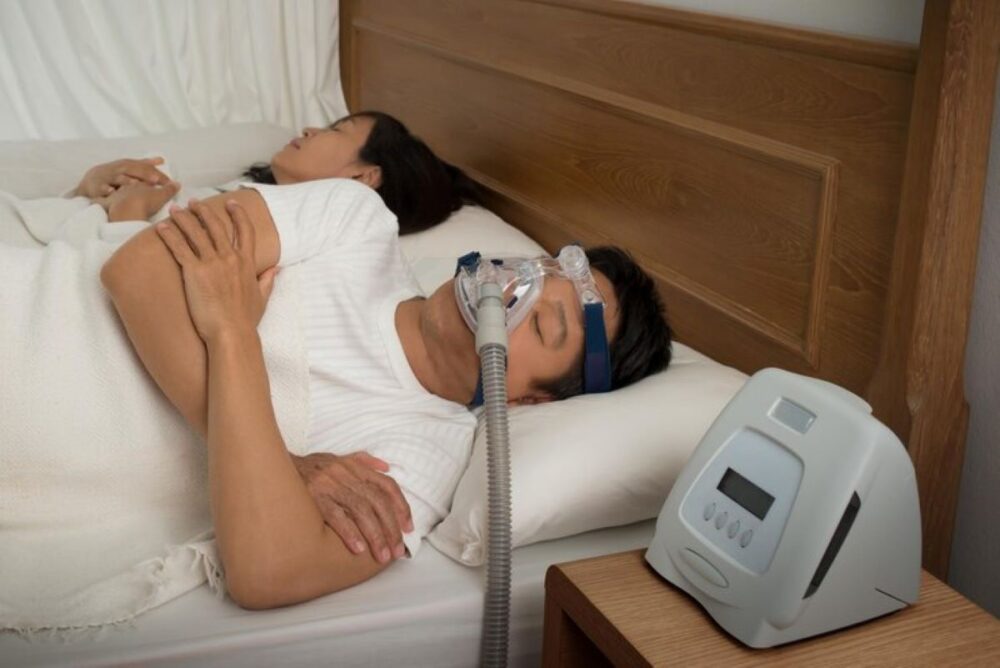
Finding the right CPAP mask is often the difference between giving up and finally sleeping through the night. This guide to the best CPAP masks focuses on comfort, seal reliability, and practical fit tips for Australians, updated with what still holds true in 2026.
They should treat this list as a shortlist, not a prescription. The best option depends on their breathing style, sleep position, facial hair, skin sensitivity, and pressure settings.
What makes a CPAP mask “the best” in 2026?
The best CPAP masks are the ones they can wear consistently, without leaks, soreness, or frequent wake-ups. In 2026, the basics still matter most: a stable seal, minimal pressure points, easy cleaning, and quiet venting.
They should prioritise fit over features. A simpler mask that seals well usually beats a “premium” mask that shifts or irritates their skin.
Which CPAP mask type suits their breathing and sleep style?
Most people do well once the mask type matches how they actually sleep. The best CPAP masks usually fall into three categories: nasal pillows, nasal masks, and full-face masks.
Nasal pillows suit side sleepers and those who feel claustrophobic, but can dry the nose. Nasal masks spread pressure more gently. Full-face masks help mouth breathers and those with frequent congestion, but need careful sizing to reduce leaks.
Which are the best CPAP nasal pillow masks for minimal bulk?
Nasal pillows are often the lightest option, so they can feel less intrusive for new users. The best CPAP masks in this style tend to work well for active sleepers because there is less surface area to shift.
Top picks Australians commonly look for:
- ResMed AirFit P10: very light, quiet, widely stocked in Australia.
- ResMed AirFit P30i: top-of-head hose option for fewer tangles.
- Philips Respironics DreamWear Gel Pillows: softer feel for some noses, depending on fit.
They should watch for nasal dryness and consider heated humidification, especially in cooler parts of VIC, TAS, and the ACT.
Which are the best CPAP nasal masks for a stable seal?
Nasal masks suit people who breathe through their nose and want a more forgiving seal than pillows. The best CPAP masks here balance cushion softness with frame stability, so they do not dig in or leak when they roll over.
Popular options in Australia:
- ResMed AirFit N20: reliable seal for many face shapes.
- ResMed AirTouch N20: memory-foam cushion feel, but needs gentle handling.
- Fisher & Paykel Eson 2: often praised for comfort and straightforward fit.
If they wake with strap marks, they should check overtightening first. Many leaks come from a cushion that is too small or too tight, not too loose.
Which are the best CPAP full-face masks for mouth breathing?
Full-face masks can be the most practical choice if they breathe through their mouth or have frequent nasal blockage from allergies. The best CPAP masks in full-face designs reduce the “ballooning” feeling by controlling leaks and spreading pressure evenly.
Commonly recommended choices:
- ResMed AirFit F20: strong all-rounder for higher pressures.
- ResMed AirTouch F20: softer feel for sensitive skin, with foam cushion care needs.
- Fisher & Paykel Vitera: designed for movement, often comfortable for side sleepers.
They should check whether their CPAP settings and humidity are optimised. Mouth leak can still occur with full-face masks if the lower seal sits poorly under the lip.
Which are the best CPAP masks for side sleepers in Australia?
Side sleeping is one of the biggest drivers of mask leaks, so stability matters more than “softness”. The best CPAP masks for side sleepers usually have low-profile designs or top-of-head hose routing to reduce pillow push.
They can start with nasal pillows or a compact nasal mask, then consider a CPAP pillow with cut-outs. If they must use a full-face mask, a stable frame and correct cushion size usually matter more than strap tension. Check out more about safe sleeping.
Which are the best CPAP masks for people who feel claustrophobic?
Claustrophobia is common in the first weeks of CPAP, and it is not a sign they will fail. The best CPAP masks for this are usually nasal pillows or minimal-contact nasal masks, because they leave the field of view open.
They should practise wearing the mask while awake for short periods, with the machine on, before trying to sleep. It often helps to start with low ramp pressure and a comfortable exhale relief setting if their machine supports it.
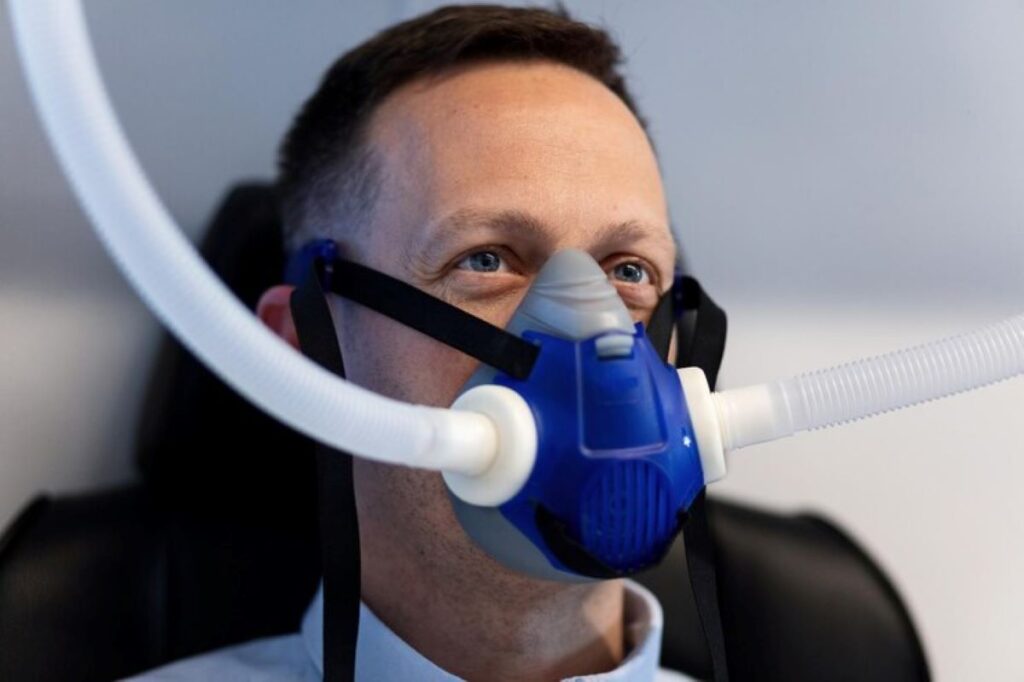
Which are the best CPAP masks for high pressures?
Higher pressures can exaggerate leaks and cause the cushion to flutter if the fit is off. The best CPAP masks at higher pressures tend to be more structured nasal masks or well-fitted full-face masks.
They should focus on: correct sizing, replacing cushions on schedule, and ensuring the hose is not pulling. If they are using an APAP range that frequently climbs, a more stable mask often solves the “blow-out leak” problem better than tighter straps.
How should they choose the right size and get a proper fit?
Sizing is more important than brand. The best CPAP masks only perform well when the cushion matches their facial dimensions, especially across the nose bridge and under the nose.
They should use the manufacturer’s sizing template where possible and fit the mask while lying down with therapy pressure running. If they fit it sitting up, it can leak once facial muscles relax in sleep.
How can they reduce leaks without overtightening the straps?
Most leak problems come from tension and misalignment, not a “bad mask”. The best CPAP masks generally seal best when the cushion is allowed to inflate slightly against the face.
They can try:
- re-seating the cushion with the machine on
- loosening straps slightly, then tightening evenly
- checking the cushion is not folded or twisted
- washing face oils off before bed
- replacing a worn cushion
If leaks happen only when they turn, hose management is often the real fix.
How often should they replace cushions, headgear, and the whole mask?
Replacement schedules vary by brand and usage, but wear is unavoidable. The best CPAP masks stop being the best once silicone softens, foam degrades, or headgear stretches.
As a practical Australian baseline, many people replace cushions every 1 to 3 months, headgear every 6 months, and the full mask frame as needed. They should check their supplier’s guidance and any private health or rental inclusions.
Where can Australians buy CPAP masks and get support?
In Australia, they can buy masks through sleep clinics, CPAP retailers, some pharmacies, and online stores that stock ResMed, Fisher & Paykel, and Philips Respironics lines. The best outcomes usually come from places that help with sizing and allow swaps within a trial window.
If they are in Sydney, Melbourne, Brisbane, Perth, Adelaide, Canberra, Hobart, or regional centres, it is worth asking about fitting appointments. A ten-minute fitting can prevent months of discomfort.
What are the most common mistakes when picking a CPAP mask?
The most common mistake is choosing based on reviews without matching the mask type to their own habits. The second is buying the wrong size, then overtightening to “force” a seal.
They should also avoid ignoring dryness, allergies, or nasal congestion. Often the solution is humidification, nasal rinse routines, or speaking with their GP about persistent blockage, not simply swapping masks repeatedly.
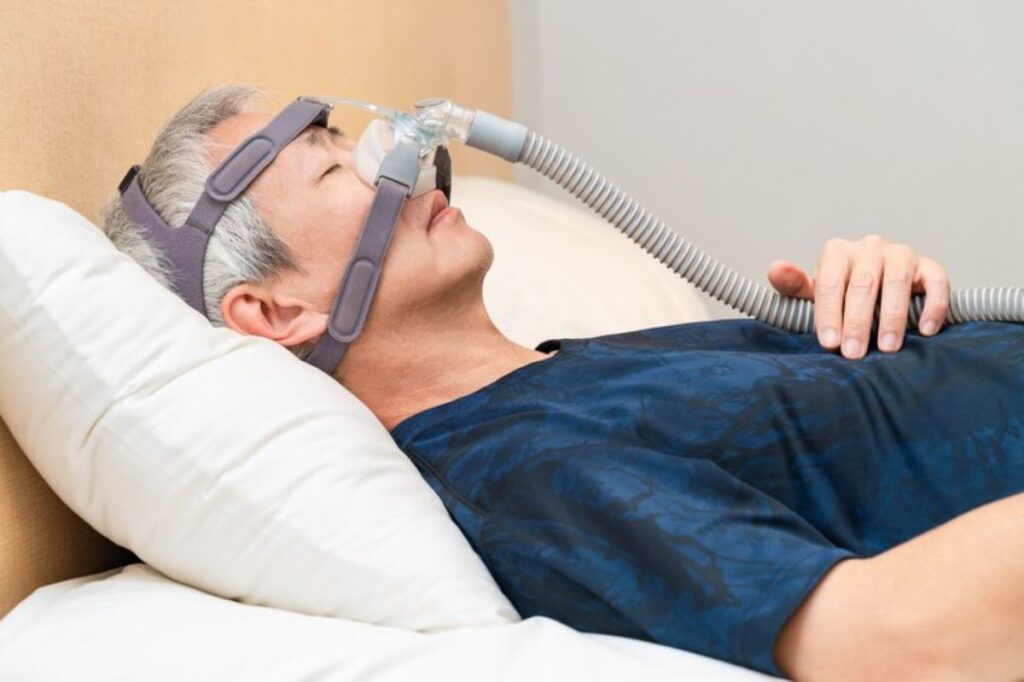
What is the best quick shortlist to start with?
If they want a simple place to start, these models are commonly shortlisted in Australia because they are widely available and fit a broad range of users. The best CPAP masks for them will still depend on fit, but this narrows the search.
- Nasal pillows: ResMed AirFit P10 or AirFit P30i
- Nasal mask: ResMed AirFit N20 or Fisher & Paykel Eson 2
- Full-face mask: ResMed AirFit F20 or Fisher & Paykel Vitera
They should aim for the option they can tolerate every night, not the one that looks most “advanced”. Consistency is what improves symptoms and long-term results.
Related : How to choose the best CPAP machine for your needs
FAQs (Frequently Asked Questions)
What factors make a CPAP mask the best choice in 2026?
The best CPAP masks in 2026 are those that users can wear consistently without leaks, soreness, or frequent wake-ups. Key features include a stable seal, minimal pressure points, easy cleaning, and quiet venting. Prioritising fit over extra features is crucial; a simpler mask that seals well often outperforms premium models that cause irritation or shift during sleep.
How do I choose the right CPAP mask type based on my breathing and sleep style?
Selecting the right CPAP mask depends on your breathing patterns and sleep position. Nasal pillows suit side sleepers and those who feel claustrophobic but may cause nasal dryness. Nasal masks offer a gentler pressure spread and suit nose breathers. Full-face masks are ideal for mouth breathers or those with nasal congestion but require careful sizing to prevent leaks.
Which CPAP nasal pillow masks are best for minimal bulk and comfort?
Nasal pillows are lightweight and less intrusive, great for new or active sleepers. Top options in Australia include ResMed AirFit P10 for its lightness and quietness, ResMed AirFit P30i with a top-of-head hose to reduce tangles, and Philips Respironics DreamWear Gel Pillows offering a softer feel. Users should monitor for nasal dryness and consider heated humidification, especially in cooler regions like VIC, TAS, and the ACT.
What are the best CPAP masks for side sleepers in Australia to reduce leaks?
Side sleepers benefit from low-profile CPAP masks or those with top-of-head hose routing to minimise pillow interference. Nasal pillows or compact nasal masks are recommended starting points. If using full-face masks, choosing one with a stable frame and correct cushion size is essential to reduce leaks rather than relying on tighter strap tension.
How can people who feel claustrophobic choose suitable CPAP masks?
For those experiencing claustrophobia, nasal pillows or minimal-contact nasal masks work best as they keep the field of view open. It helps to practice wearing the mask while awake with the machine running at low ramp pressure and comfortable exhale relief settings before sleeping to build tolerance gradually.
What tips help reduce CPAP mask leaks without overtightening straps?
Most leaks result from improper strap tension or incorrect cushion size rather than looseness alone. Using the manufacturer’s sizing template ensures the cushion fits facial dimensions properly. Fitting the mask lying down with therapy pressure running helps achieve an accurate seal since facial muscles relax during sleep. Avoid overtightening straps to prevent discomfort and strap marks.